
Carbon monoxide is invisible, odorless, and can build up without warning. By the time symptoms appear, your family may already be exposed to dangerous levels.


Trusted by over 15,000+
PureFlow Water Filter Straw
$29.99
$49.99SALE
🦠 Filter Out Harmful Bacteria
💧 Drink From Natural Water Sources
🚰 Filter Up To 1,800 Gallons Of Water
Limited supply available for dispatch
Survivalist Satisfaction Guarantee
Put it in your kit. If you don't feel fully prepared, return for a refund.
The Silent Danger In Your Home
Would You Know Before It's Too Late?
close
Carbon monoxide leaks you can't see or smell
close
Early poisoning symptoms mistaken for tiredness or illness
close
Dangerous CO buildup while your family sleeps
close
No reliable warning when you're away from home
Invisible Threat. Instant Awareness.
Advanced Carbon Monoxide Detection
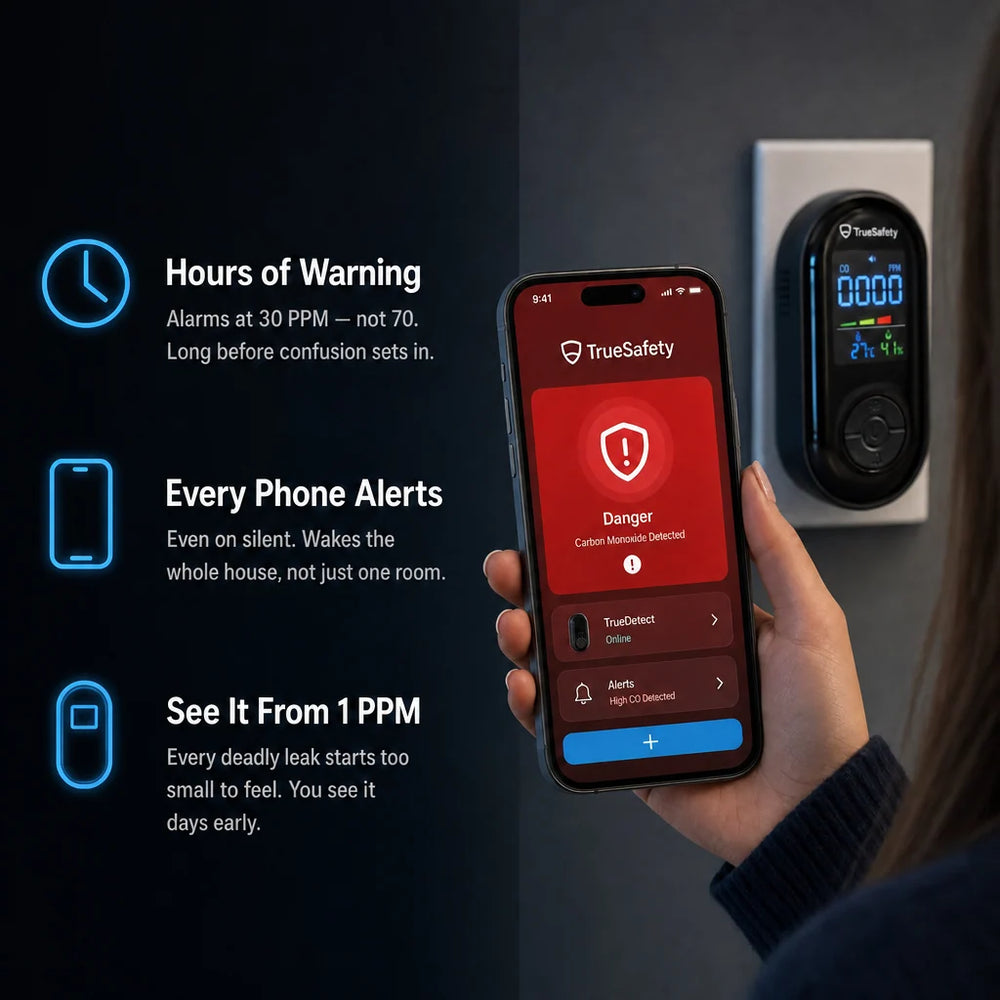
Early detection up to 15 minutes.
"Because the most dangerous threats are the ones you can't see."
Carbon monoxide has no smell, no color, and no obvious warning signs. It can spread through your home from faulty heating systems, gas appliances, or blocked vents, putting your loved ones at risk without anyone realizing.
Common Questions
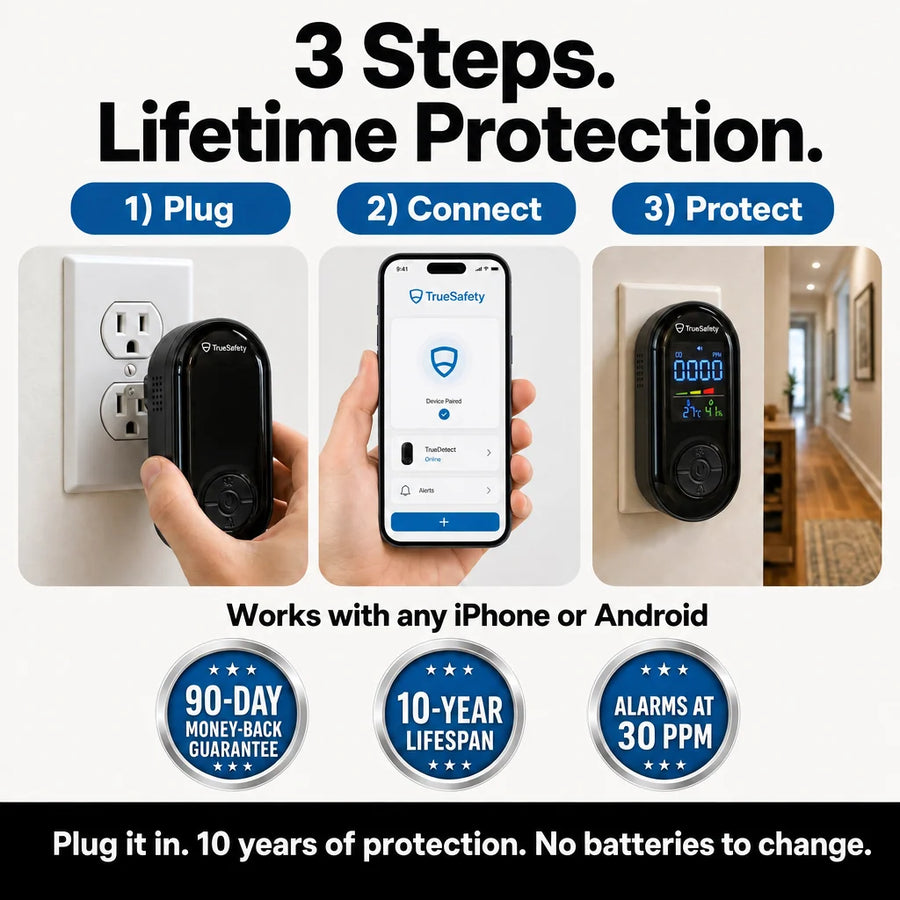
Place TrueDetect near sleeping areas and on each level of your home, following the placement instructions included with your detector. Avoid positioning it directly beside vents, windows, or fuel-burning appliances, where airflow may interfere with accurate readings.
Yes. Furnaces, water heaters, fireplaces, and other fuel-burning appliances can produce carbon monoxide when something malfunctions or ventilation becomes blocked. Problems aren't always obvious, which is why dedicated CO detection is important.
For comprehensive protection, carbon monoxide alarms should be installed on every level of your home and outside separate sleeping areas. Larger homes or multiple floors may require several detectors.
TrueDetect is designed for carbon monoxide detection. CO, natural gas, and smoke are different hazards, so you should use dedicated detectors for each unless your device specifically supports multiple types of detection.
Yes. Homes with gas furnaces, water heaters, fireplaces, and stoves are important places to monitor for carbon monoxide. A CO detector provides an additional safety measure alongside regular appliance inspections and maintenance.
Move everyone outside into fresh air immediately and contact emergency services or your local fire department. Do not reenter the building until emergency responders confirm it's safe.
Yes. Newer homes can still experience carbon monoxide problems due to faulty equipment, installation issues, or blocked ventilation. The age of your home doesn't eliminate the risk.
No. Although heating systems create additional risks during colder months, carbon monoxide exposure can occur year-round from water heaters, gas appliances, generators, and other fuel-burning equipment.